



Aloe Juice
CAloe juice in soap soothes and hydrates skin with natural cooling and anti-inflammatory properties.
Its gentle enzymes and vitamins support skin repair and help maintain a healthy moisture balance.
Aloe also boosts lather clarity and complements sensitive-skin formulations without harsh chemicals.
Ingredient List
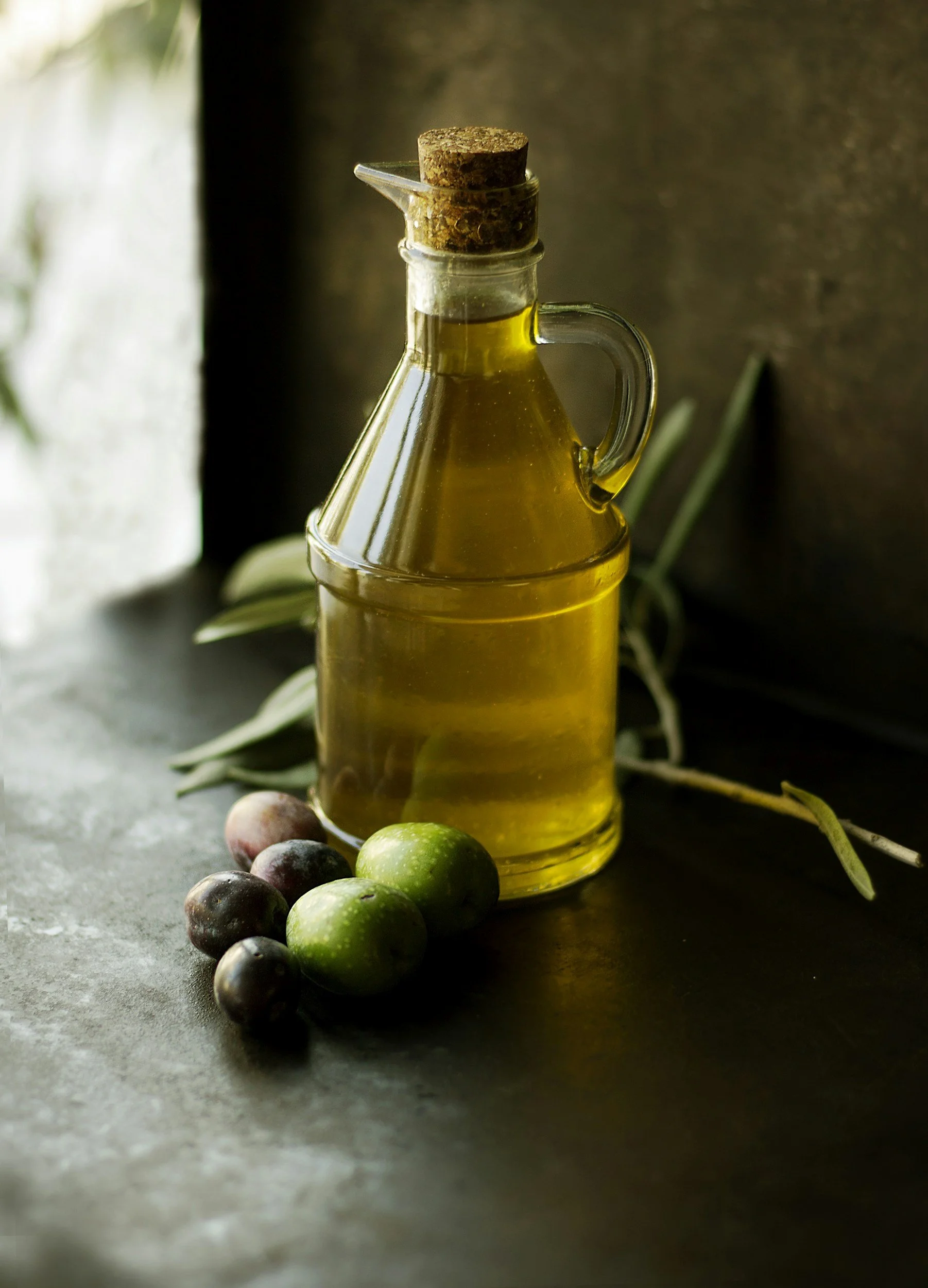
Olive Oil in Soap
Olive oil in soap acts as a gentle, conditioning base that helps retain the skin’s natural moisture. It produces a mild, creamy lather rather than big, bubbly foam, making it ideal for sensitive or dry skin types. Rich in antioxidants and vitamin E, it helps protect skin from oxidative stress and supports a healthy skin barrier. Because it’s non-irritating and naturally derived, olive oil is a popular, nourishing choice for handmade and natural soaps.

Carrot Juice
Carrot juice adds beta-carotene and antioxidants to soap, helping to support a brighter, more even complexion. Its natural vitamins nourish and gently condition skin, making bars suitable for dry or mature skin types. Use in cold-process or melt-and-pour recipes at low dilution to preserve color and skin benefits while avoiding excess moisture.

Essential Oils & Fragrances
Essential oils and fragrances enhance soap with natural, pleasant scents that improve the bathing experience. Many essential oils also offer therapeutic benefits like calming, invigorating, or clarifying effects on the mind and body. Fragrances can help mask base odors from raw ingredients and create consistent, appealing products. Some essential oils provide mild skin benefits, such as anti-inflammatory or antimicrobial properties, depending on the oil and concentration. We use them carefully and in appropriate amounts to ensure safety, fragrance stability, and skin compatibility.
Green Tea
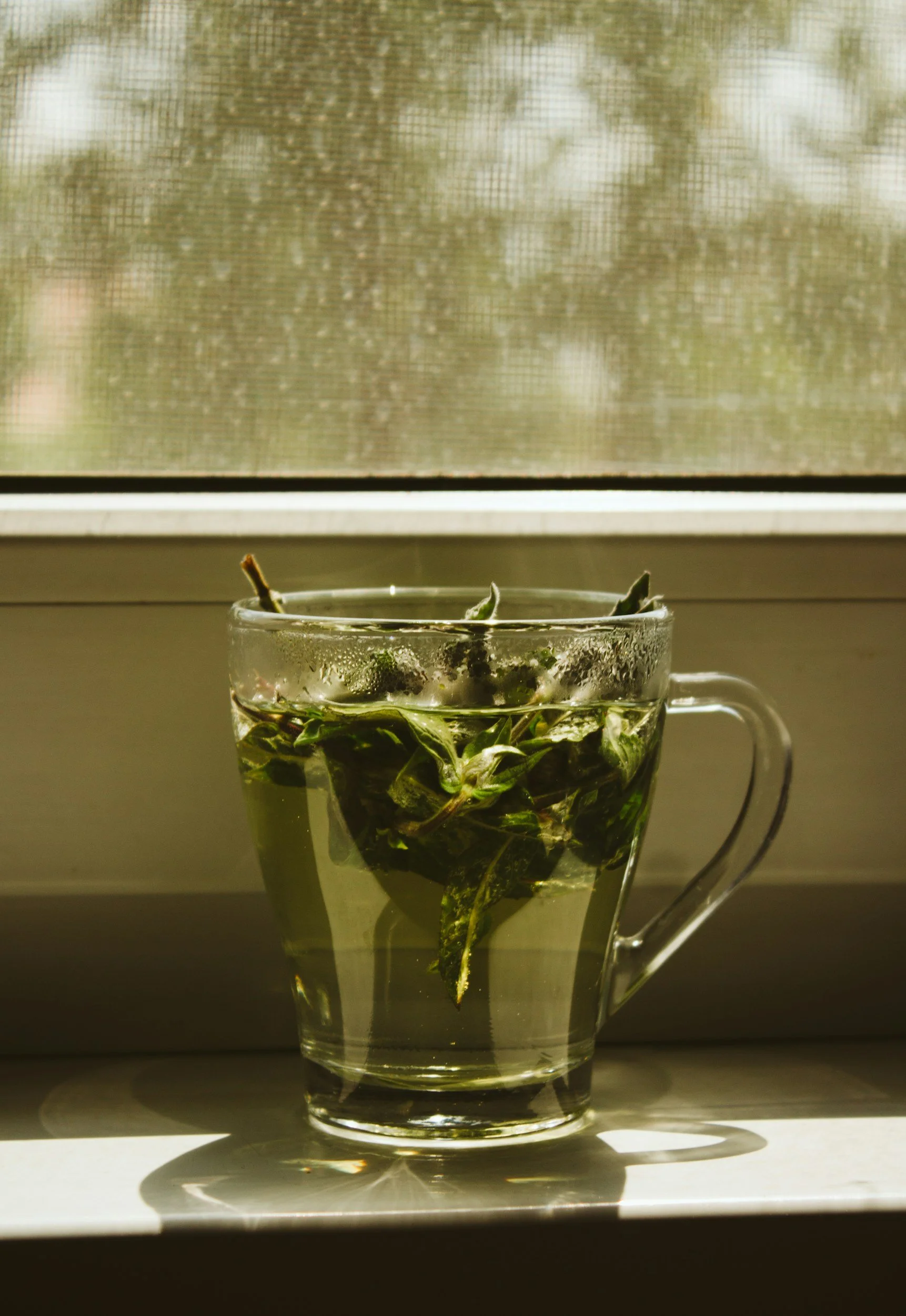
Green tea in soap delivers gentle antioxidant protection that helps soothe and defend skin from environmental stress. Its natural anti-inflammatory properties calm redness and balance oily or acne-prone complexions without stripping moisture. Lightly fragrant and refreshing, green tea soap leaves skin feeling clean, soft, and naturally revitalized.
Coconut Oil
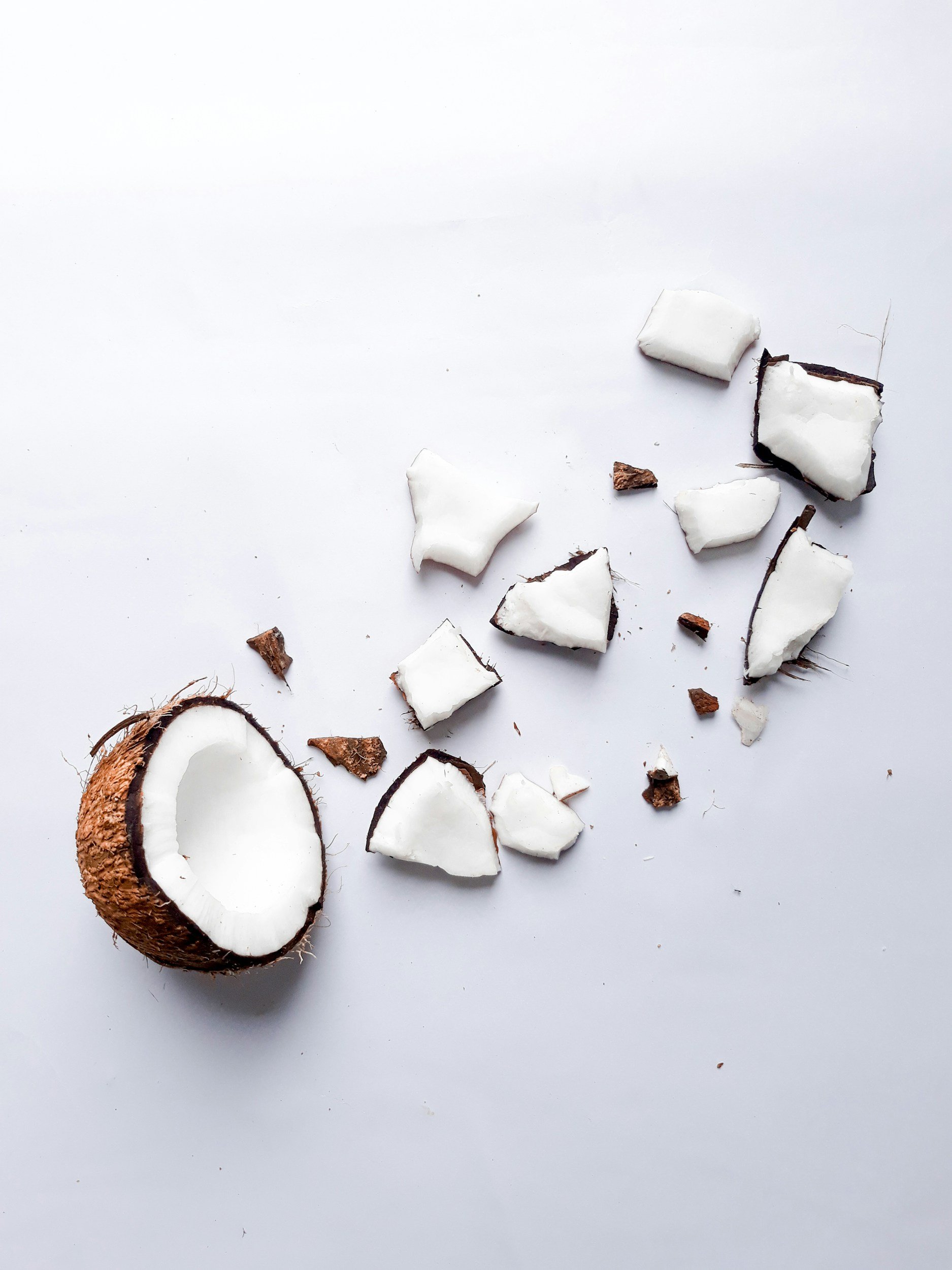
Coconut oil in soap creates a rich, bubbly lather that effectively removes dirt and oils from the skin. It adds moisturizing properties by helping the skin retain hydration and feels silky without leaving heavy residue. Because it can be drying in high amounts, soap makers balance coconut oil with gentler oils to maintain skin softness.
Walnut Oil
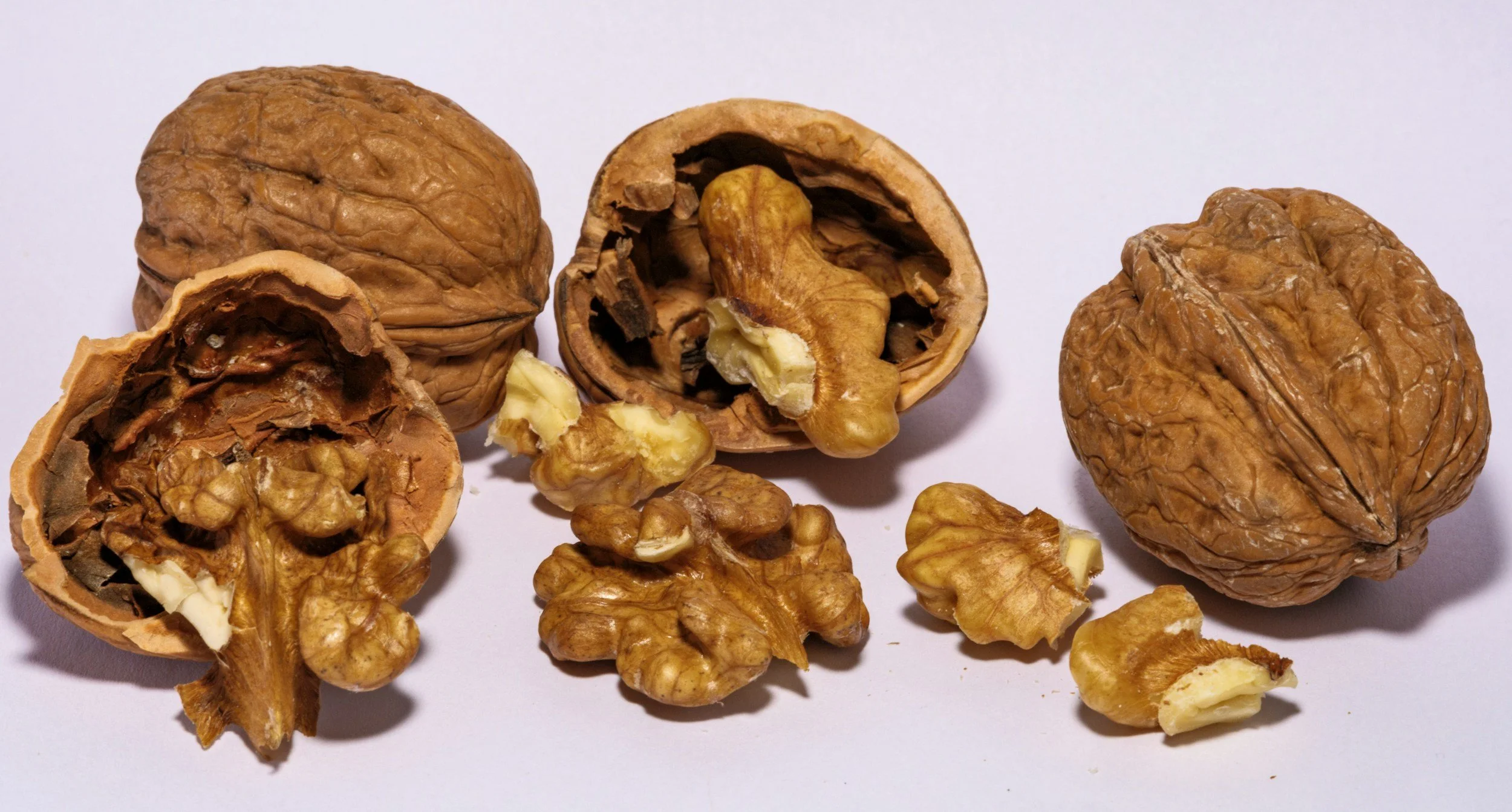
Walnut oil benefits and in soap
Rich in omega-3 and omega-6 fatty acids, walnut oil helps nourish and moisturize skin, leaving it soft and supple.
Contains antioxidants like vitamin E that protect skin from free-radical damage and support a healthier complexion.
Lightweight and non-greasy, it absorbs well into the skin, making it suitable for many skin types including dry and mature skin.
Milks
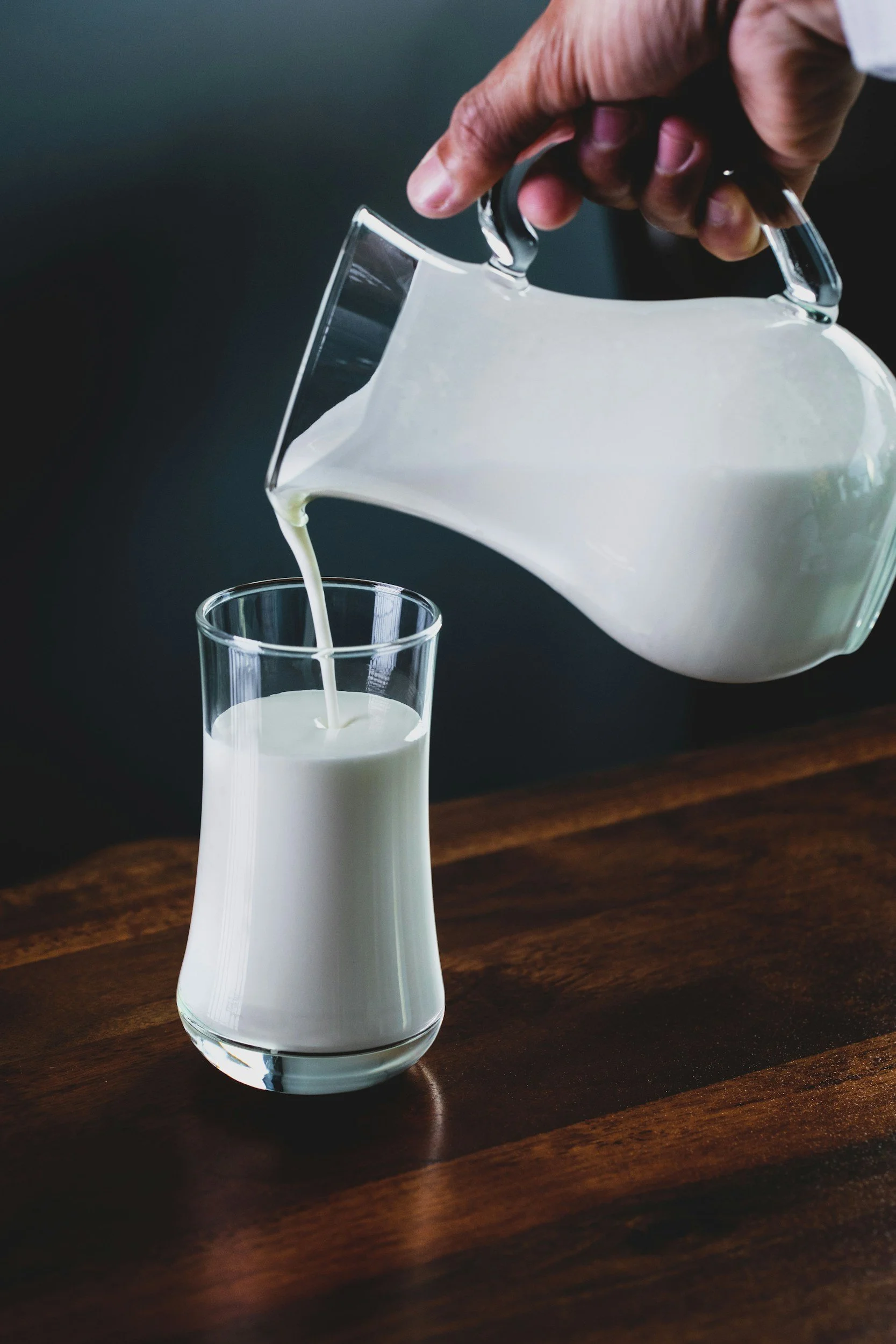
We use milks in soap because their natural fats, proteins, and sugars add extra creaminess, gentle cleansing, and moisturizing properties to the lather. Milk also supplies vitamins and trace nutrients that help soothe and nourish sensitive or dry skin while reducing the stripping effects of some surfactants. Different milks (goat, coconut, oat, etc.) offer unique fatty acid profiles and vitamins, allowing for tailored benefits like extra emollience or anti-inflammatory effects.
Distilled Water
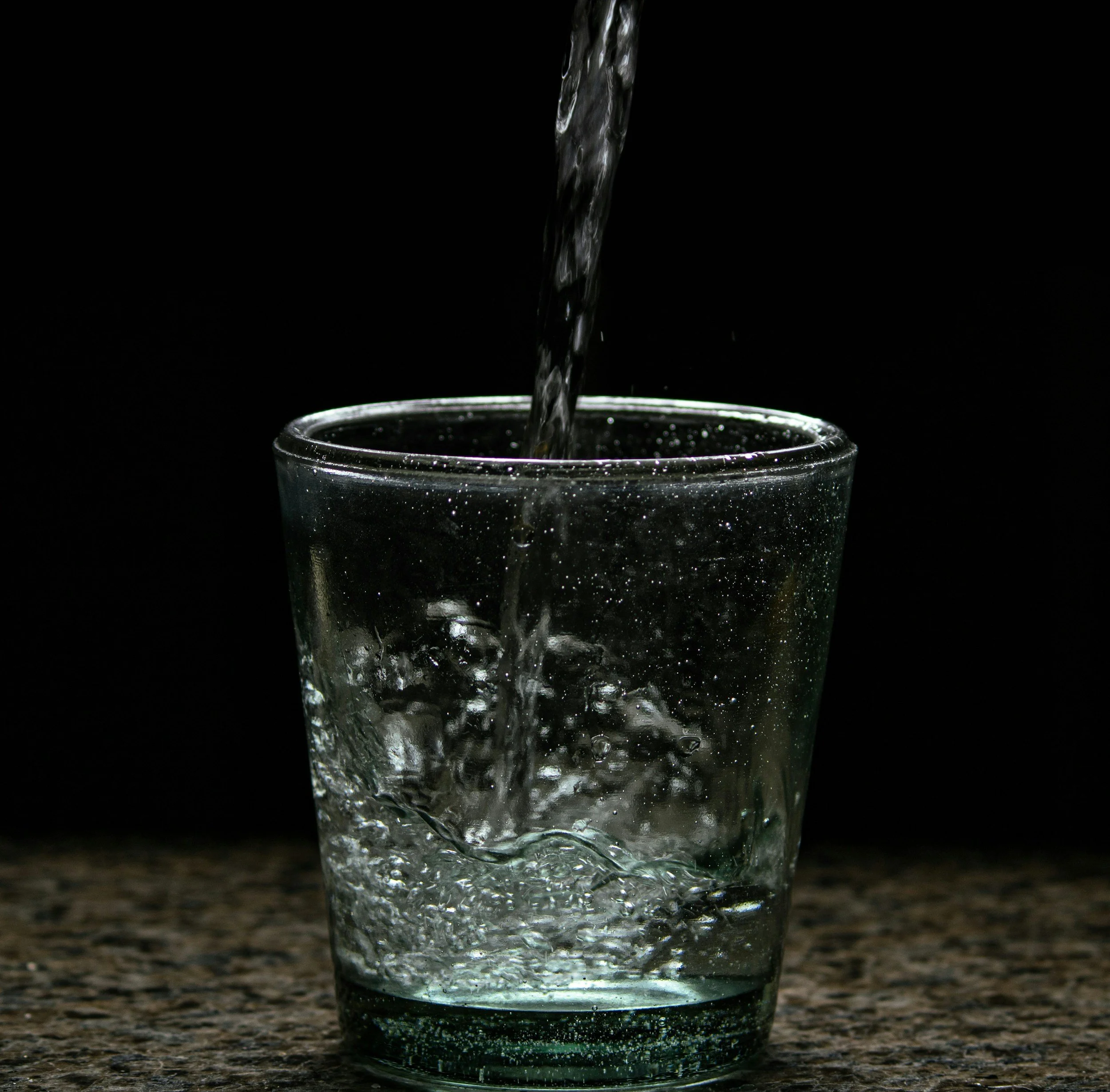
Distilled water is not soap; it’s pure water from which minerals and impurities have been removed. We use distilled water in soapmaking because its purity prevents unwanted reactions and helps ensure a consistent, high-quality final bar.
Sugars & Salts
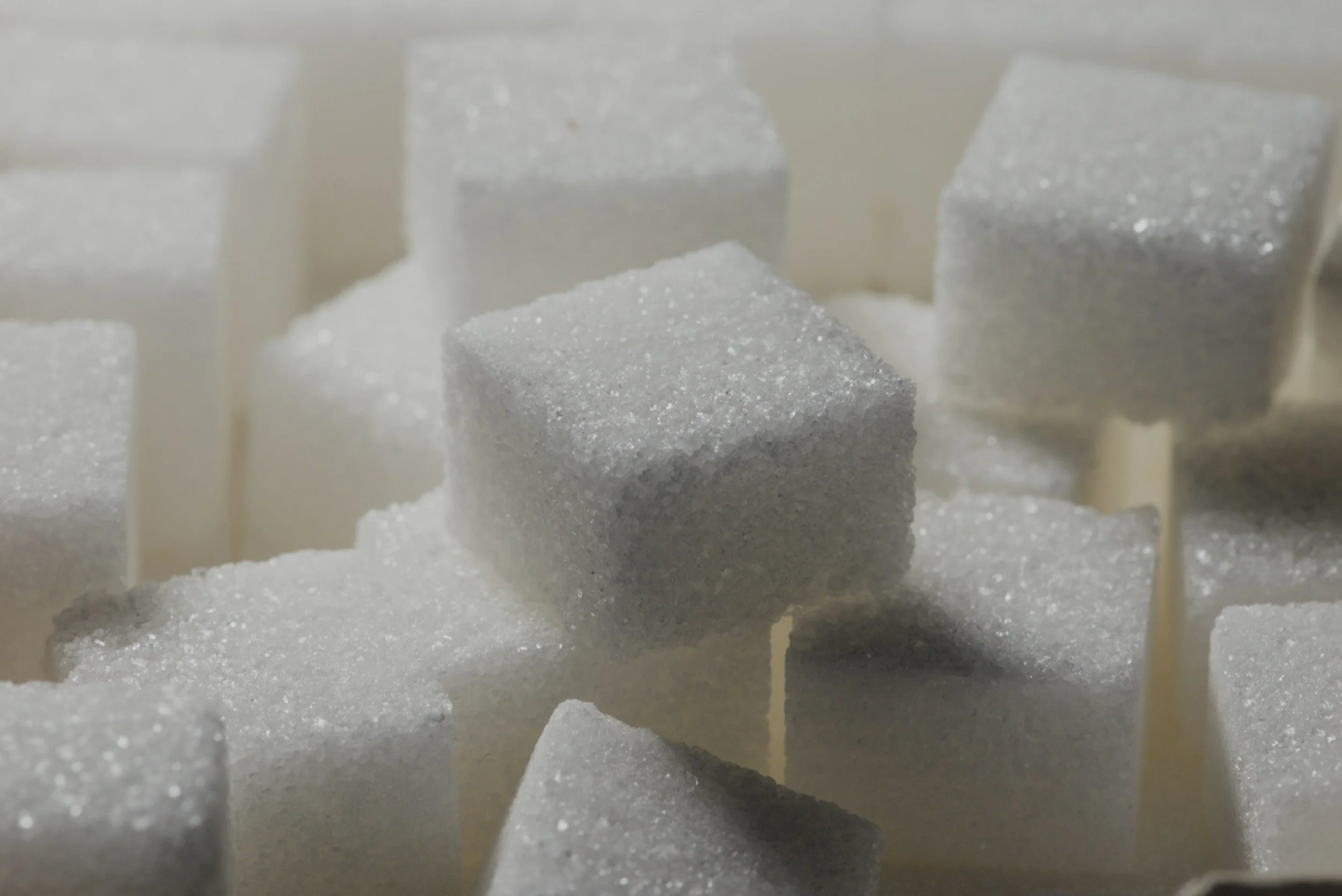
Sugar is sometimes added to soap bars to boost lather and create a richer, creamier foam. It acts as a humectant, helping the soap attract and retain moisture on the skin for a softer feel. Small amounts of sugar can accelerate trace, slightly speeding up the saponification process. When dissolved into the soap batter, sugar also contributes to a smoother texture and can help harden the final bar. Because it is used in low concentrations, sugar enhances performance without significantly affecting the soap’s cleansing or conditioning properties. in the use of soaps salt is used to help hardness in soap bars for curing making the bar a harder bar.